
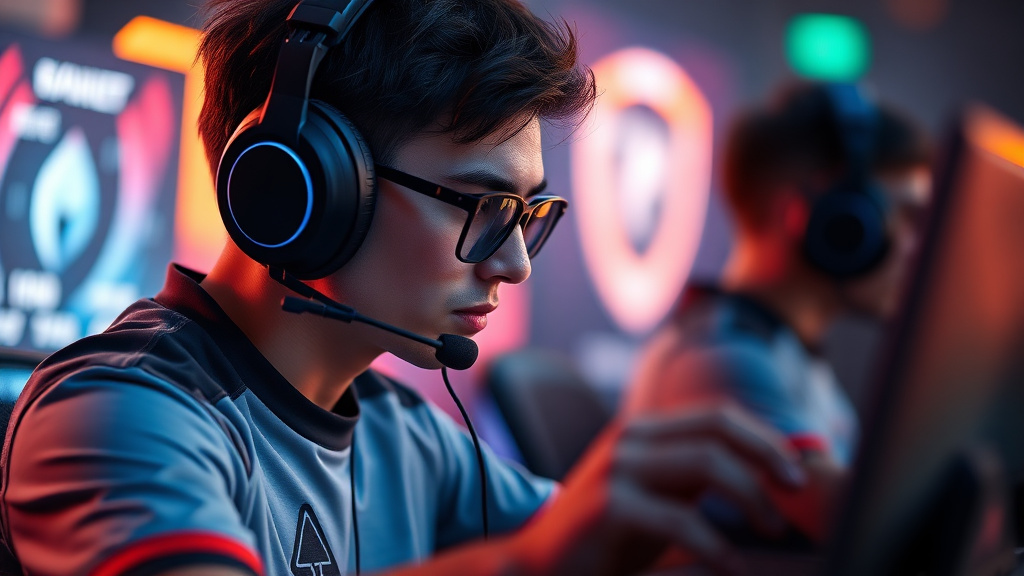
The esports industry has exploded into a billion-dollar phenomenon, and gaming peripheral manufacturers are taking notice. Leading companies like Razer, SteelSeries, and Corsair are pouring substantial resources into creating advanced gear purpose-built for elite gaming competitors. From responsive mice with millisecond response times to mechanical keyboards optimized for esports competition, these advancements are changing the way players perform at the highest levels. This article analyzes the technical innovations, industry trends, and strategic investments fueling this competitive race for esports industry supremacy.
Market Growth and Investment Trends
The esports gaming peripheral market has experienced significant surge over the last five years, with projections forecasting ongoing growth through 2030. Key producers are leveraging this growth surge by directing substantial resources toward research and development initiatives. Industry analysts estimate that the worldwide gaming peripherals sector will exceed $10 billion annually, driven largely by professional esports demand. Companies recognize that supporting high-performance devices for competitive players creates brand loyalty and secures industry position. This financial commitment reflects the profitable potential within the esports ecosystem and the vital function peripherals play in athlete performance.
Strategic investments from gaming hardware manufacturers extend beyond creating new products into sponsorships and partnerships with top esports organizations and competitive events. Razer, SteelSeries, Corsair, and emerging competitors are securing exclusive deals with elite teams, ensuring their equipment becomes the benchmark in esports competitions globally. These deals create significant brand visibility while providing valuable feedback directly from top-performing players. The industry competition has intensified as organizations compete for sponsorships with title-holding organizations, recognizing that partnerships with winning athletes increases consumer demand and strengthens brand reputation in the elite gaming sector.
Tech Development in Competitive Gaming Gear
The intense esports landscape requires equipment that advances technological boundaries. Gaming peripheral manufacturers have committed billions in research and development to create gear that meets the rigorous requirements of professional athletes. These innovations prioritize accuracy, durability, and speed, with every millisecond mattering in elite-level matches. High-performance substances, optimized layouts, and advanced tracking capabilities have converted peripherals from consumer products into elite-grade instruments that directly impact competitive performance.
Premium Mice and Keyboards
Esports mice showcase the pinnacle of precision engineering, equipped with highly responsive sensors with adjustable DPI settings achieving 20,000 or higher. These products incorporate light weight construction, adjustable button layouts, and advanced tracking technology to minimize delays and maintain exactness. Major producers have engineered mice specifically calibrated for different game genres, from rapid FPS games to complex RTS titles. Elite esports athletes now demand mice with zero-drift sensors and instant reaction speeds to preserve their advantage.
Mechanical keyboards serve as vital instruments for esports athletes, with manufacturers engineering switches that provide optimal actuation points and haptic response. Programmable light effects, customizable command buttons, and key rollover protection permit athletes to execute complex commands in real-time. Premium esports keyboards incorporate metal chassis, hot-swappable switches, and competition-level stabilization. Companies invest heavily in switch engineering, designing versions purpose-built for different game types and user needs.
Premium Audio Headsets and Audio Equipment
Audio clarity has grown essential in competitive gaming, where directional sound cues establish tactical advantages. Gaming audio equipment makers have engineered immersive sound systems that offer precise location detection, critical for games demanding situational awareness. These headsets include noise-canceling microphones, high-quality speakers, and comfortable construction for extended wear during competitive events. High-end sound equipment now employ surround sound processing and adjustable frequency controls optimized to specific game audio profiles.
Headset longevity and comfort are paramount considerations for esports gear manufacturers, as competitors use them for extended periods during tournaments. Manufacturers use superior components, flexible headband designs, and breathable ear cushions to reduce tiredness and improve competitive results. High-end microphone engineering ensures clear communication during team-based competitions, while wireless connection features reduce cable interference. Major producers continuously refine their audio engineering to deliver performance benefits in immersive gaming experiences.
Partnerships and Sponsorships
Gaming peripheral producers have developed key collaborations with esports organizations and leagues to display their equipment at the most elite competitive tiers. Companies like Razer and SteelSeries support top-tier esports organizations, providing teams with cutting-edge equipment while earning invaluable visibility during competitions watched by millions globally. These alliances establish reciprocal arrangements where athletes obtain top-quality hardware designed for their particular demands, while makers gain trust and market insights from top competitors who demand uncompromising performance and durability.
Sponsorship agreements go beyond single teams to encompass full esports leagues and international tournaments. Top-tier events like the League of Legends World Championship and The International highlight significant branding from equipment manufacturers, establishing their association with esports excellence. These major partnerships produce massive brand exposure and show manufacturers’ investment in supporting competitive gaming infrastructure. Athletes equipped with sponsored gear serve as brand ambassadors, impacting numerous aspiring gamers who look for the same hardware worn by their esports idols.
The funding of partnerships also fuels innovation through direct collaboration with professional players who deliver critical feedback on product functionality. Manufacturers work closely with esports athletes to refine products, ensuring peripherals satisfy the exacting demands of professional competition. This symbiotic relationship accelerates product development cycles and ensures that new releases address practical performance issues. By sustaining these key collaborations, gaming peripheral companies establish their role as essential contributors to the esports ecosystem while fostering strong brand commitment among professional gamers worldwide.
