
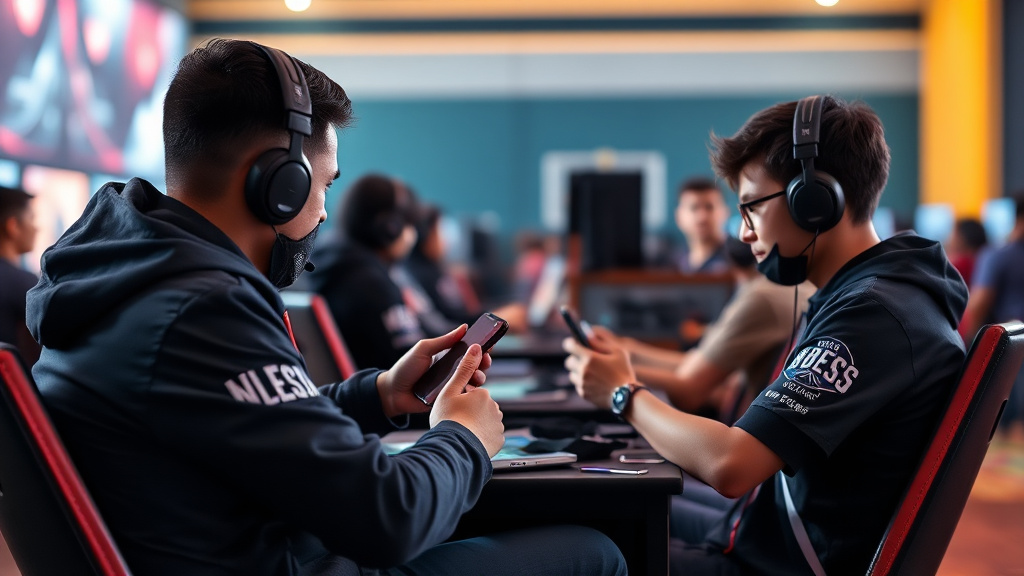
Mobile gaming has now become part of the mainstream competitive arena, with esports tournaments breaking unprecedented records in both prize money and viewership. What once seemed impossible—millions of dollars awarded for games played on smartphones—is now reality. From PUBG Mobile to Call of Duty: Mobile, professional competitions are attracting global audiences rivaling traditional esports. This article explores how tech innovations, greater sponsorship support, and expanding player communities have transformed mobile gaming into a billion-dollar industry, reshaping the competitive gaming landscape forever.
The Explosive Growth of Mobile Esports Competitions
Mobile gaming tournaments have seen substantial expansion over the last five years, shifting from niche events into internationally acclaimed competitive spectacles. The surge in smartphone technology, enhanced digital connectivity, and widespread availability has opened esports to broader audiences worldwide. Major tournaments now offer prize purses exceeding millions of dollars, matching traditional PC and console competitions. This rapid expansion reflects evolving market demands toward mobile platforms and underscores the industry’s recognition of mobile gaming’s established role in competitive esports.
The framework supporting mobile tournaments has grown substantially, with organized competitions, sponsorship deals, and specialized broadcast services expanding globally. Games like PUBG Mobile, Clash Royale, and Fortnite have established robust competitive ecosystems drawing massive audiences. Funding by leading technology firms and esports organizations has established the credibility of mobile tournaments as legitimate professional competitions. This growth trajectory keeps expanding, with analyses predicting mobile esports will secure an expanding share of the global gaming market, substantially transforming how professional gaming is understood and engaged with worldwide.
Historic Prize Purses Revolutionize the Esports Ecosystem
The rapid growth of mobile gaming tournaments has fundamentally changed the competitive esports ecosystem. Prize pools have increased substantially, with major tournaments now offering multi-million dollar rewards that rival traditional esports events. This financial transformation reflects growing investor confidence in mobile gaming’s commercial viability and demonstrates the industry’s development. Sponsorships from leading tech firms and international corporations have fueled this remarkable funding surge, creating prospects for professional players to earn substantial incomes and establishing mobile gaming as a recognized career path for aspiring competitors worldwide.
Top Tournaments Leading the Way
The PUBG Mobile Global Championship serves as a showcase of mobile gaming’s financial evolution, offering prize pools surpassing $5 million each year. This competition attracts elite teams from over 140 countries, demonstrating the game’s global reach. The championship’s structure prioritizes fair play and player development, with regional qualifiers guaranteeing broad involvement. Partnerships from leading tech firms and endemic brands have made possible substantial financial backing. The tournament’s achievements has prompted other developers to launch equally competitive competitions, demonstrating that mobile platforms can support top-tier esports ecosystems and draw world-class competitors globally.
Call of Duty: Mobile Championships represents another landmark achievement in competitive mobile gaming, with prize money hitting $6 million throughout numerous seasons. The tournament features a franchised league model, providing teams with reliable income and long-term investment security. This structure has attracted established esports organizations traditionally focused on console and PC competitions, signifying widespread recognition of mobile competitions. The championship’s media coverage spans multiple platforms, generating massive simultaneous audiences. Such institutional support demonstrates that mobile esports competitions can provide professional-grade competition and entertainment value comparable to established esports titles.
The HONOR of Kings Pro League has transformed Asian mobile esports, becoming the world’s most-watched esports competition by average concurrent viewers. With prize pools exceeding $10 million annually and team valuations reaching millions, the league has created a long-term infrastructure for pro athletes and teams. The tournament’s strong performance across China and Southeast Asia has demonstrated mobile gaming’s commercial viability in non-Western markets. Media deals with major streaming platforms and television networks have amplified audience reach exponentially. This regional achievement has inspired similar franchise-based mobile esports initiatives worldwide, reshaping how esports is packaged and distributed.
Fortnite Mobile events, despite platform availability challenges, have shown considerable financial investment with competitions providing $10 million in total prize money. The game’s intuitive design and multi-device compatibility engage diverse player demographics and large viewership figures. Epic Games’ commitment to competitive mobile gaming indicates faith in the platform’s competitive future. Despite infrastructure challenges, Fortnite’s mobile events have attracted sponsorships from major corporations and created significant mainstream exposure. These competitions showcase how innovative game design and significant investment can transcend device restrictions, cementing mobile gaming as integral to modern esports ecosystems.
Global User Figures Achieve Record Levels
Competitive mobile gaming events have shattered viewership records, drawing billions of spectators worldwide. Broadcasting services like YouTube Gaming, Twitch, and regional services have made content widely available, enabling fans from every corner of the globe to witness mobile esports in real-time. Major tournaments now consistently draw audiences comparable to traditional esports events, with peak concurrent viewers regularly surpassing millions. This explosive growth demonstrates the broad popularity of mobile gaming and demonstrates how user-friendly platforms has transformed competitive gaming into a truly global phenomenon.
The varied composition of mobile gaming audiences has significantly expanded the competitive gaming market. Unlike conventional competitive gaming, which often attract specific age groups and geographic areas, mobile tournaments draw players and viewers spanning all ages, economic backgrounds, and geographic locations. Emerging markets in developing territories across Asia, Africa, and Latin America have become key expansion engines, with localized tournaments fostering regional talent development. This expansive development path establishes mobile gaming as the future of esports, fundamentally reshaping how people globally engage with esports and competitive entertainment.
The Future of Mobile Gaming Competitions Competition
The path of mobile esports suggests substantial increases in the coming years. As smartphone technology continues advancing with enhanced processing power and enhanced graphics capabilities, competitive gaming experiences will grow more complex. Leading companies are committing significant resources in mobile titles built for esports, while infrastructure improvements in broadcast systems allow seamless international transmissions. Educational institutions are starting to acknowledge mobile gaming as valid competitive endeavors, potentially establishing dedicated esports programs. These developments suggest a future where mobile tournaments compete with traditional esports in standing and monetary support.
Industry analysts forecast that mobile esports will transform into the primary esports format by 2030, propelled by user accessibility and minimal barriers to participation relative to console or PC gaming. Emerging markets in Asia, Africa, and Latin America present vast untapped audiences motivated to participate in competitive gaming. Cross-platform integration and cloud gaming technologies stand to blur lines separating mobile and traditional esports. Support from leading tech firms and lifestyle brands remains on the rise, validating mobile gaming as a premier entertainment medium. The combination of these elements establishes mobile esports as the future cornerstone of competitive gaming globally.
