
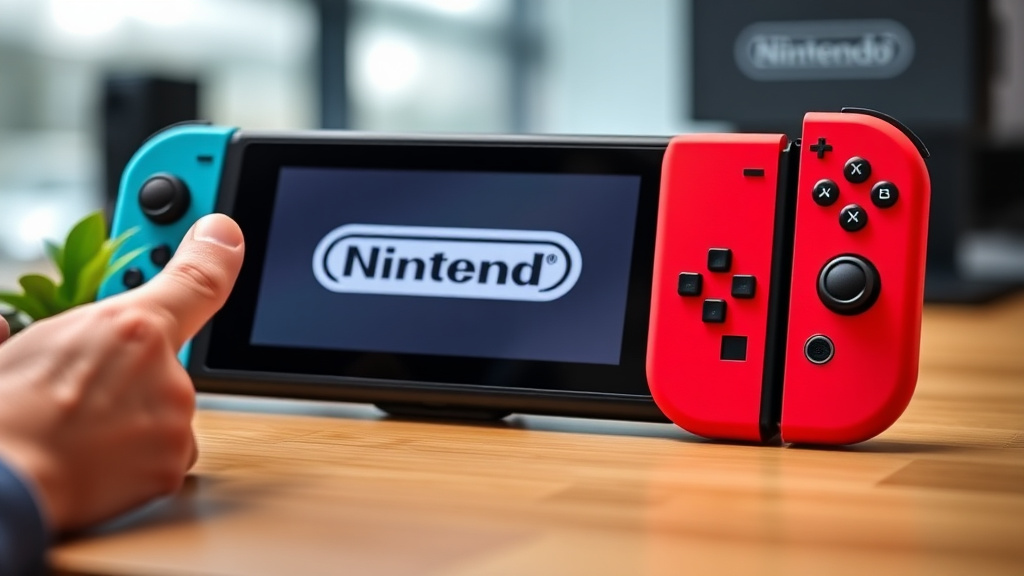
Nintendo has broken away from conventional gaming console expectations by reporting impressive financial gains through unconventional income sources. The video game company’s deliberate growth into mobile platforms and valuable licensing agreements has demonstrated strong profitability, diversifying its income beyond hardware and physical game sales. This article analyzes how Nintendo took advantage of emerging markets and licensing ventures to accomplish major financial gains, examining the major smartphone games and intellectual property agreements that reshaped the company’s financial landscape and what this implies for its upcoming plans.
Mobile Gaming Revenue Surge
Nintendo’s mobile gaming division has established itself as a major revenue driver, contributing substantially to the company’s aggregate financial performance. The intentional pivot to smartphone and tablet platforms has enabled the company to tap into enormous player bases across the globe, expanding its addressable market well outside of traditional gaming audiences. This diversification strategy has shown outstanding success, producing massive yearly earnings and establishing mobile gaming as a foundation of Nintendo’s contemporary strategy.
The success of mobile gaming has substantially reshaped Nintendo’s revenue path, with mobile titles consistently ranking among the highest-grossing games globally. By leveraging its iconic brands and building immersive free-to-play offerings, Nintendo has built reliable income sources through in-game transactions and time-limited offerings. This method has not only increased shareholder value but also strengthened brand engagement, creating multiple touchpoints for customer engagement across diverse channels and audience segments.
Pokemon GO and Fire Emblem Achievement
Pokemon GO represents one of the top-performing mobile gaming successes in history, earning over six billion dollars in lifetime revenue since its 2016 release. The augmented reality experience transformed position-based play and sparked significant cultural influence, establishing Nintendo as an pioneer in mobile gaming. Continued updates and themed events have maintained player engagement, demonstrating the continued relevance of Nintendo’s signature series in the mobile gaming space.
Fire Emblem: Heroes has likewise demonstrated remarkable commercial success, becoming one of Nintendo’s most profitable mobile titles. The tactical role-playing game effectively brought the Fire Emblem franchise to mobile audiences, generating consistent revenue through summoning mechanics for characters and time-limited events. Its performance validated Nintendo’s approach to adapting console franchises for mobile platforms, proving that strategic adaptation could generate both critical acclaim and substantial financial returns.
Forward-Looking Mobile Plan
Nintendo’s future mobile strategy focuses on building premium offerings that justify premium pricing while keeping the door open for everyday players. The company intends to broaden its catalog with fresh original games and adaptations of existing franchises, targeting overlooked mobile gaming demographics. Investment in ongoing service systems and player community initiatives will improve player loyalty and lifetime value, driving consistent revenue increases.
Looking ahead, Nintendo intends to deepen integration between mobile and console gaming experiences, creating interconnected ecosystems that foster cross-platform engagement. The company recognizes mobile gaming’s significance as a entry point for broader Nintendo experiences, using mobile titles as gateways for players who may eventually transition to console gaming. This strategic plan positions Nintendo to sustain its mobile gaming momentum while reinforcing its overall ecosystem.
Licensing Partnerships Expansion
Nintendo’s licensing agreements have emerged as a key revenue stream, extending the company’s iconic characters and franchises beyond traditional gaming platforms. Strategic collaborations with movie studios, fashion companies, and theme parks have created substantial licensing fees and royalties. The popularity of the Super Mario movie and growing amusement park experiences showcase how Nintendo leverages its beloved intellectual property in multiple business areas. These partnerships enhance financial performance but simultaneously boost brand awareness and customer interaction internationally, creating multiple touchpoints for Nintendo enthusiasts worldwide.
The increase of licensing agreements showcases Nintendo’s strategic strategy for brand monetization while maintaining quality standards over its valued gaming properties. Collaborations with major companies in entertainment, retail, and hospitality industries have created fresh income sources previously untapped by the company. From fashion collaborations to major motion pictures, Nintendo thoughtfully chooses partners aligned with its core values. This strategic expansion minimizes reliance on console sales cycles and generates stable, sustainable income sources that attract investors and stakeholders pursuing long-term growth potential in an highly competitive entertainment industry.
Financial Results and Market Influence
Nintendo’s financial results show the strong financial performance of its varied income streams. Mobile gaming and licensing partnerships generated significant incremental revenue, adding substantially to overall earnings growth. The company’s operating profit and net income both increased substantially year-over-year, reflecting successful monetization of well-known properties across online channels. These financial gains underscore the success of Nintendo’s strategy for growth beyond conventional gaming consoles, placing Nintendo for sustained growth in emerging market segments and digital distribution channels.
The competitive influence of Nintendo’s expansion strategy extends beyond short-term financial performance. Investor confidence increased as analysts acknowledged the company’s ability to leverage its cherished franchises across multiple revenue streams. Stock performance improved, demonstrating optimism about Nintendo’s long-term prospects. The success of smartphone games and licensing agreements has prompted widespread acknowledgment of Nintendo’s innovative business model, influencing how other gaming companies approach expanding their product range and revenue generation methods in an rapidly evolving digital entertainment landscape.
